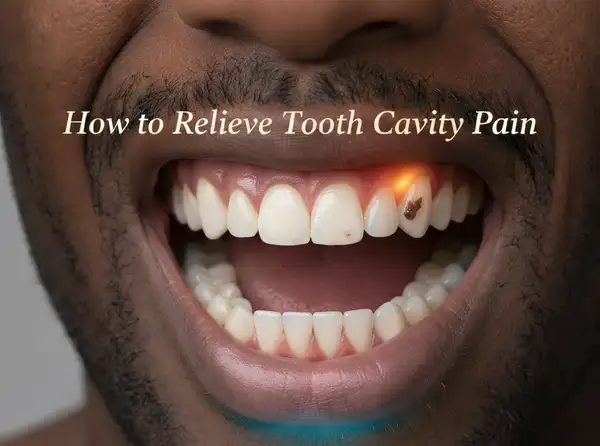
Cavity tooth pain relief is about easing discomfort caused by tooth decay, a process where bacteria damage the hard outer layers of a tooth and expose sensitive tissue inside. It’s similar to a small crack in a windshield: at first it’s barely noticeable, but over time it spreads and reacts sharply to pressure or temperature. Understanding what causes this pain helps explain why relief is possible and why it shouldn’t be ignored.
Cavity-related tooth pain relief becomes especially relevant when you consider how common decay is, affecting a large majority of adults and a significant number of children in the United States. Studies consistently show that factors like frequent sugar intake, inadequate oral hygiene, and limited access to dental care increase the risk, especially as people age. For many, the pain doesn’t start suddenly but builds gradually, making timely relief and treatment even more important.
After meals or late at night, when a person notices a throbbing sensation or sharp sensitivity in a tooth that keeps coming back, the need for relief from cavity-related pain becomes clear. Taking a closer look at why this pain happens and how it can be managed helps people feel more in control of their oral health. That understanding is the first step toward reducing discomfort and preventing more serious problems down the line.
Pro Tip: This Portable Water Flosser is up to 50% more effective than traditional floss and can save you hundreds on professional dental cleanings. Its 300ml tank and cordless design make it perfect for maintaining healthy gums. Check the current deal on Amazon.
What Causes Pain
Tooth pain caused by a cavity develops when tooth decay penetrates through the protective enamel and reaches the underlying dentin or pulp. Enamel is the hardest substance in the human body, but once bacteria break through it, the tooth becomes vulnerable. The inner layers contain microscopic tubules and nerve tissue, which explains why pain can range from mild sensitivity to sharp, throbbing discomfort.
From a clinical perspective, cavity-related pain often worsens with temperature changes, especially cold drinks below 50°F (10°C) or hot beverages above 130°F (55°C). Sweet foods and pressure from chewing can also trigger symptoms. As Reyus Mammadli, medical consultant, notes, many patients ignore early discomfort, assuming it will resolve on its own, but tooth decay rarely takes that hint.
Early Warning Signs
In the early stages, cavity pain may feel inconsistent and easy to dismiss. Patients often report brief sensitivity lasting a few seconds, especially when exposed to cold air or sugary foods. At this point, the cavity is usually confined to enamel or superficial dentin, and pain relief may occur spontaneously.
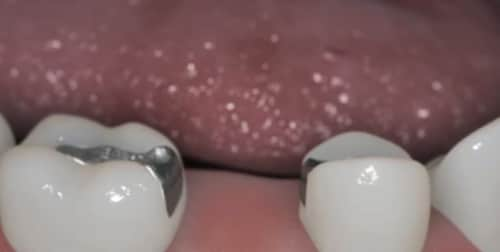
Visible discoloration, such as white chalky spots or brown areas on the tooth surface, can accompany mild discomfort. According to data from the CDC ⧉, more than 90% of adults in the United States experience at least one cavity during their lifetime, making early recognition a practical skill, not just dental trivia.
Dental Care: This Rotating Electric Toothbrush removes up to 400% more plaque than a manual brush. With a built-in pressure sensor and 8 replacement heads included (a 2-year supply), it’s a cost-effective way to maintain a professional clean at home. Available on Amazon.
Home Pain Relief
Temporary relief at home focuses on reducing nerve stimulation and inflammation. Rinsing with warm salt water (½ teaspoon of salt in 8 ounces or 240 milliliters of water) can help soothe irritated gum tissue and reduce bacterial load. Cold compresses applied externally for 10–15 minutes may decrease localized inflammation and dull pain.
Over-the-counter pain relievers such as ibuprofen or acetaminophen (common U.S. brands include Advil and Tylenol) are frequently used for short-term relief. Reyus Mammadli emphasizes that while these medications may quiet the pain, they do not treat the cavity itself—much like turning down the volume on a fire alarm without putting out the fire. Guidance from the FDA ⧉ supports short-term use when taken as directed.
Dental Treatments
Once pain is present, definitive relief almost always requires dental intervention. The most common approach is removal of decayed tissue followed by placement of a dental filling (composite resin or amalgam), which restores tooth structure and prevents further nerve irritation. In the United States, the average cost for a simple filling ranges from $150 to $300.
If decay has reached the pulp, a root canal procedure may be necessary. This treatment removes infected nerve tissue, disinfects the canal, and seals the tooth, often followed by a crown for protection. According to the American Dental Association ⧉, modern root canal therapy has a success rate exceeding 90% and is far less painful than its reputation suggests—dentistry has come a long way since the horror stories.
When Pain Persists
Persistent or worsening pain, especially pain that occurs spontaneously or at night, often indicates pulp inflammation or infection. Swelling of the gums, facial tenderness, or a bad taste in the mouth may suggest an abscess, which requires urgent care. Ignoring these symptoms can allow infection to spread beyond the tooth.
Clinical guidelines published by the National Institute of Dental and Craniofacial Research ⧉ stress that dental infections are not self-limiting. Antibiotics alone are rarely sufficient without addressing the source of decay, and delaying treatment can significantly increase both cost and complexity.
Prevention Strategies
Long-term relief from cavity-related pain depends on prevention. Brushing twice daily with fluoride toothpaste and flossing once a day remain foundational practices. Fluoride strengthens enamel by promoting remineralization, making teeth more resistant to acid attack.
Regular dental checkups, typically every six months, allow early detection before pain develops. The World Health Organization ⧉ reports that preventive dental care can reduce the risk of advanced tooth decay by up to 60%. In simple terms, prevention is cheaper, easier, and far less dramatic than emergency pain relief.
Editorial Advice
Cavity tooth pain should always be viewed as a warning signal rather than an inconvenience. Temporary relief measures are reasonable for short-term comfort, but definitive dental care is essential to resolve the underlying problem. Patients who act early often avoid invasive procedures and higher costs.
From an expert standpoint, the smartest approach is a balanced one: use safe home methods to manage discomfort, but schedule professional evaluation promptly. Teeth are remarkably resilient when treated early, and with timely care, most cavity-related pain can be resolved efficiently—no heroics required.