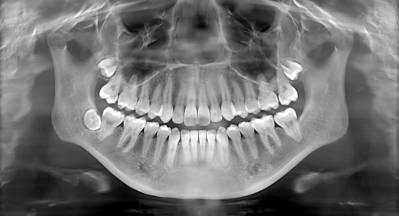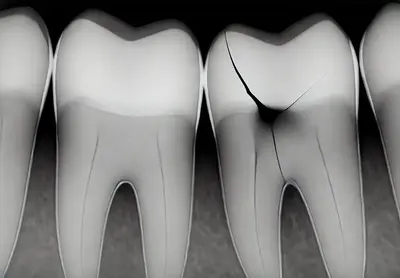
Dental professionals rely on X-rays as a diagnostic tool, but when it comes to detecting cracks, the story isn’t as straightforward as one might hope. The traditional periapical radiograph, which is essentially a two-dimensional snapshot of a three-dimensional object, often fails to capture the subtleties of tooth cracks.
X-Ray Detection Accuracy
| Imaging Method | Detection Rate | Radiation Exposure | Cost |
|---|---|---|---|
| Traditional X-ray | Low to Moderate | Low | Low |
| CBCT | High | Moderate | High |
| Dark-Field Tomography | Very High | Under Research | Very High |
This chart illustrates the detection rate, radiation exposure, and cost of different imaging methods—Traditional X-ray, CBCT, and Dark-Field Tomography—using visual bars for better comparison.
Why Can’t Regular X-Rays Show All Cracks?
Pro Tip: This Portable Water Flosser is up to 50% more effective than traditional floss and can save you hundreds on professional dental cleanings. Its 300ml tank and cordless design make it perfect for maintaining healthy gums. Check the current deal on Amazon.
Cracks in teeth typically run vertically, meaning they’re often at a ninety-degree angle to the X-ray beam. This orientation makes them practically invisible in a standard radiograph unless the crack is wide enough to alter the density significantly.
A Know You This?
- Did you know that even with the latest dental technology, up to 20% of cracked teeth might require root canal treatment due to the severity of the damage? (Source: Scientific Reports)
Stages of Tooth Cracks
Dental Care: This Rotating Electric Toothbrush removes up to 400% more plaque than a manual brush. With a built-in pressure sensor and 8 replacement heads included (a 2-year supply), it’s a cost-effective way to maintain a professional clean at home. Available on Amazon.
| Stage | Visibility on X-Rays | Description |
|---|---|---|
| Craze Lines | Low | Superficial cracks in the enamel, often cosmetic. |
| Fractured Cusp | Moderate | A broken part of the tooth, usually around a filling. |
| Cracked Tooth | High | A deeper crack that can extend to the root. |
| Split Tooth | Very High | A complete crack splitting the tooth into two parts. |
This chart breaks down the stages of tooth cracks, their visibility on X-rays, and a brief description of each stage, highlighting the severity and potential impact.
Modern Imaging Techniques: The Game Changers
While traditional X-rays have their limitations, new technologies like Cone Beam CT (CBCT) and X-ray dark-field tomography are making strides. CBCT provides a 3D perspective, potentially revealing cracks that standard X-rays miss, though it’s not without its own challenges due to radiation exposure and cost.
A Know You This?
- X-ray dark-field tomography can detect microcracks by capturing X-ray small-angle scattering, offering a non-destructive method to view the entire tooth structure. (Source: Nature’s Scientific Reports)
Statistics Speak Louder Than Words
Here’s a breakdown of how different imaging methods fare in detecting cracks:
| Imaging Method | Crack Detection Rate | Radiation Exposure | Cost |
|---|---|---|---|
| Traditional X-ray | Low to Moderate | Low | Low |
| CBCT | High | Moderate | High |
| Dark-Field Tomography | Very High | Under Research | Very High |
The Dentist’s Detective Work
Beyond technology, dentists use a blend of clinical signs and symptoms. Pain when biting or sensitivity to temperature changes often signals a crack. Tools like transillumination and dyes can visually enhance cracks for diagnosis.
A Know You This?
- Some cracks are so fine they are only detectable under magnification with a dental microscope. (Source: Dental Practice Insights)
The Cost of Care
If a crack is detected, treatments can range from simple bonding (which might cost anywhere from $50 to $250 per tooth) to more complex procedures like crowns ($800-$1500) or root canals ($300-$1000), depending on the crack’s severity.
Dental Anecdotes: When Cracks Go Unnoticed
Consider the case where a patient, after a car accident, felt no immediate tooth pain but later experienced severe discomfort. Initial X-rays showed no cracks, but a subsequent visit to an endodontist using advanced imaging confirmed the presence of vertical root fractures, necessitating multiple root canals.
Our Editorial Advice
Don’t wait for a crack to escalate into pain; regular dental check-ups with advanced diagnostics can preemptively address dental issues. If you suspect a crack, describe your symptoms in detail to your dentist to guide them towards the right diagnostic path.