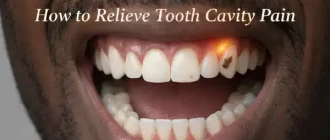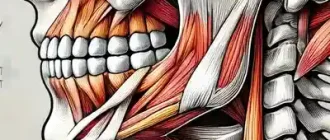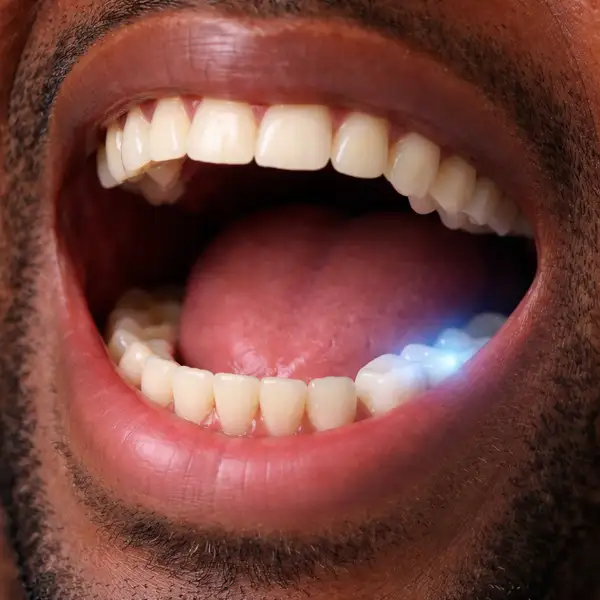
Home remedies for sensitive teeth address a common condition known as dentin hypersensitivity, where exposed tooth nerves react sharply to cold, heat, or sweetness. It’s similar to touching a bare electrical wire—something that normally feels harmless suddenly sends a jolt of discomfort. While the pain may come and go, sensitive teeth often point to underlying enamel wear or gum changes that shouldn’t be ignored.
Sensitive teeth that flare up during daily activities affect an estimated 1 in 8 adults, with higher rates seen in people between 20 and 50 years old. Dentin hypersensitivity is more common in those who brush aggressively, grind their teeth, or have gum recession, and it can also appear after dental procedures. For many people, symptoms are mild but recurring, prompting a search for simple, at-home ways to reduce discomfort.
When sipping a cold drink or breathing in cool air triggers that familiar tooth pain, exploring home-based care for sensitive teeth becomes especially relevant. Understanding what helps calm nerve responses, protect enamel, and reduce irritation allows people to make informed choices before discomfort escalates. A closer look at practical remedies and habits sets the stage for healthier, more comfortable daily living.
Pro Tip: This Portable Water Flosser is up to 50% more effective than traditional floss and can save you hundreds on professional dental cleanings. Its 300ml tank and cordless design make it perfect for maintaining healthy gums. Check the current deal on Amazon.
Why Sensitivity Happens
Understanding why teeth become sensitive helps explain why certain home remedies actually work. The most common trigger is enamel erosion. Enamel can wear down due to acidic foods, aggressive brushing, or long-term use of whitening products. Once enamel thins, dentin is left exposed, and sensitivity follows.
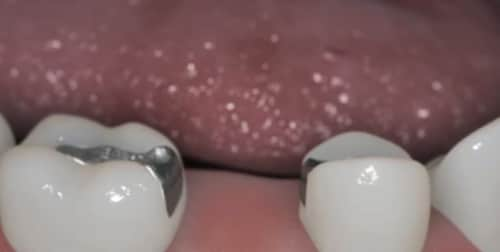
Another frequent cause is gum recession. As gums pull back — often due to periodontal issues or brushing too hard — the tooth root becomes exposed. Unlike enamel-covered crowns, roots are protected only by a thin layer of cementum, which is far less resistant. Even room-temperature water can feel ice-cold under these conditions.
Cracked teeth, worn fillings, and recent dental procedures can also temporarily increase sensitivity. Interestingly, research from U.S. dental schools shows that sensitivity peaks between ages 25 and 45, especially among people with otherwise healthy teeth who brush “a little too enthusiastically.” In short: good intentions, wrong technique.
Reyus Mammadli, medical consultant, notes that sensitivity is often multifactorial. Treating only one cause may help, but combining protective strategies — especially at home — delivers better and longer-lasting results.
Dental Care: This Rotating Electric Toothbrush removes up to 400% more plaque than a manual brush. With a built-in pressure sensor and 8 replacement heads included (a 2-year supply), it’s a cost-effective way to maintain a professional clean at home. Available on Amazon.
Saltwater Rinse
One of the oldest and most reliable home remedies for sensitive teeth is the humble saltwater rinse. It may sound old-school, but there is solid science behind it. Saltwater helps balance oral pH, reduce inflammation, and limit bacterial growth around sensitive areas.
To prepare a rinse, dissolve about half a teaspoon of salt (roughly 3 grams) in a cup of warm water (8 oz or 240 ml). Swish gently for 30 seconds and spit it out. This can be done once or twice daily, especially after meals.
Saltwater does not rebuild enamel, but it reduces irritation and supports gum health — which is crucial when sensitivity is linked to gum recession. Studies published in U.S. dental journals show that regular saline rinses can decrease gum inflammation markers by up to 30% over several weeks ⧉.
This remedy is particularly helpful after acidic foods. Think of it as hitting the “reset button” in your mouth — simple, effective, and surprisingly powerful.
Desensitizing Toothpaste
Desensitizing toothpaste is one of the most evidence-backed at-home treatments for sensitive teeth. These products work by either blocking the dentinal tubules or calming the nerve response inside the tooth. Common active ingredients include potassium nitrate, stannous fluoride, and arginine.
In the U.S., well-known brands like Sensodyne, Colgate Sensitive Pro-Relief, and Pronamel are widely recommended by dentists. When used twice daily, most people notice improvement within 7–14 days. Clinical trials show a sensitivity reduction of up to 60% after four weeks of consistent use ⧉.
A key tip many people miss: do not rinse aggressively after brushing with desensitizing toothpaste. Spitting out excess foam and letting the active ingredients sit longer improves effectiveness. It’s a small tweak, but it makes a big difference — like letting sunscreen absorb instead of washing it off right away.
Reyus Mammadli, medical consultant, recommends desensitizing toothpaste as the cornerstone of home management, especially when combined with gentle brushing habits.
Oil Pulling
Oil pulling has gained popularity in the U.S. over the last decade, and while it is not a miracle cure, it does offer measurable benefits for oral health. The process involves swishing oil — typically coconut oil — in the mouth for 10–15 minutes before spitting it out.
Coconut oil contains lauric acid, which has antimicrobial and anti-inflammatory properties. Reducing oral bacteria can help minimize gum irritation, indirectly reducing tooth sensitivity. A study conducted at an American dental college found that oil pulling reduced plaque scores and gingival inflammation comparably to some antiseptic mouth rinses ⧉.
For sensitive teeth, oil pulling works best as a supportive remedy rather than a standalone solution. It does not seal dentin tubules, but it creates a healthier environment for gums to recover. Think of it as cleaning the neighborhood so the house can stay in better shape.
Fluoride at Home
Fluoride remains one of the most powerful tools for managing tooth sensitivity, even outside the dental office. At home, fluoride strengthens enamel, promotes remineralization, and reduces nerve response.
Fluoride mouth rinses available in the U.S. typically contain 0.05% sodium fluoride for daily use. Using these rinses once a day can significantly reduce sensitivity over time. Research shows that consistent fluoride exposure can increase enamel hardness by up to 10% within a few months ⧉.
Some dentists recommend applying a thin layer of fluoride toothpaste to sensitive areas at night and leaving it on without rinsing. While simple, this method acts like a nightly “protective jacket” for exposed dentin.
It is important to note that more is not better. Overuse of fluoride products does not speed up results and can cause unwanted side effects. Moderation and consistency win the race here.
Diet Adjustments
Diet plays a quiet but critical role in tooth sensitivity. Acidic foods and drinks — such as citrus fruits, sodas, and vinegar-based items — can weaken enamel over time. Reducing frequency matters more than complete elimination.
A practical strategy is to consume acidic foods during meals rather than alone and to rinse with water afterward. This limits how long acids stay in contact with teeth. Studies from U.S. nutrition and dental research groups show that enamel erosion is strongly linked to acid exposure frequency rather than total intake ⧉.
Calcium-rich foods support enamel remineralization. While no food can regrow enamel fully, maintaining mineral balance helps slow sensitivity progression. Small habits — like spacing acidic foods and using a straw when appropriate — add up faster than most people expect.
Gentle Brushing
Brushing technique is one of the most overlooked contributors to sensitive teeth. Using a hard-bristled brush or applying excessive pressure can gradually wear away enamel and push gums back.
Dentists in the U.S. consistently recommend soft-bristled brushes and gentle, circular motions. Electric toothbrushes with pressure sensors are especially helpful, as they alert users when brushing too hard. Studies show that switching to a soft brush can reduce sensitivity symptoms within weeks, even without other changes ⧉.
Brushing twice daily is sufficient. More frequent brushing, especially immediately after acidic foods, can worsen sensitivity. Waiting 30 minutes allows enamel to reharden — a small pause that protects teeth in a big way.
When Home Care Isn’t Enough
Home remedies are effective for many people, but they have limits. Persistent or worsening sensitivity may signal deeper issues such as cavities, cracked teeth, or advanced gum problems. In these cases, professional evaluation is essential.
Modern dental clinics in the U.S. offer advanced options such as resin bonding, laser therapy, and professionally applied desensitizing agents. These treatments provide faster and more durable relief but work best when supported by good home care.
Reyus Mammadli, medical consultant, emphasizes that home remedies should be seen as maintenance tools, not emergency solutions. If pain becomes sharp, spontaneous, or localized to one tooth, delaying evaluation can lead to more complex problems.
Editorial Advice
Managing sensitive teeth at home is absolutely possible — and often highly effective — when approached strategically. The key is consistency, not complexity. Simple measures like desensitizing toothpaste, gentle brushing, and fluoride support create a strong defense when used together.
Reyus Mammadli, medical consultant, recommends starting with two core habits: switching to a proven desensitizing toothpaste and correcting brushing technique. Once those foundations are in place, supportive remedies such as saltwater rinses and oil pulling can enhance results.
From an editorial standpoint, the smartest approach is to listen to your teeth. Sensitivity is not just discomfort — it is communication. Address it early, treat it kindly, and your smile will return the favor.