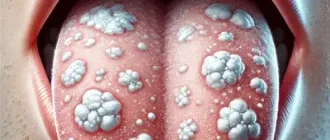
Many people associate parotitis, the swelling and inflammation of the parotid glands, solely with the mumps virus. However, this assumption is not entirely accurate. While mumps is a leading cause of parotitis, it is possible to have parotitis without having mumps.
Parotitis – More Than Mumps
To understand this, it’s important to first understand what parotitis is. Parotitis is an inflammation of one or both parotid glands, the major salivary glands located on either side of the face, in front of the ears.
It is true that mumps strongly correlates with parotitis. In fact, mumps used to be a common cause of parotitis, especially in children. However, with the widespread use of the MMR (Measles-Mumps-Rubella) vaccine, the incidence of mumps has significantly decreased in many regions.
Pro Tip: This Portable Water Flosser is up to 50% more effective than traditional floss and can save you hundreds on professional dental cleanings. Its 300ml tank and cordless design make it perfect for maintaining healthy gums. Check the current deal on Amazon.
This doesn’t mean parotitis has disappeared. Many people still experience parotitis without a mumps infection. The question is, how?
Multiple Triggers Resulting in Parotitis
A variety of factors can lead to parotitis apart from mumps. These can include bacterial infections, obstruction in the salivary duct, poor oral hygiene, dehydration, and autoimmune diseases.
Parotitis can also occur as a side effect of certain medications. This includes drugs that reduce salivary flow like antihistamines, blood pressure medicines, psychiatric drugs and some chemotherapy drugs.
In many instances, parotitis is a symptom rather than a disease in its own right. Hence, looking for its root cause is essential.
Dental Care: This Rotating Electric Toothbrush removes up to 400% more plaque than a manual brush. With a built-in pressure sensor and 8 replacement heads included (a 2-year supply), it’s a cost-effective way to maintain a professional clean at home. Available on Amazon.
Table 1: Causes of Parotitis without Mumps
| Causes | How it Causes Parotitis |
|---|---|
| Bacterial Infections | Can invade the salivary gland. |
| Obstruction | A stone or other blockage can prevent saliva flow, leading to infection and inflammation. |
| Poor Oral Hygiene | Food particles may promote bacteria growth. |
| Dehydration | Reduced saliva production can make the glands more prone to infections. |
| Autoimmune Diseases | Conditions like Sjogren’s syndrome can lead to inflammation. |
| Certain Medications | Some drugs reduce saliva flow enabling bacterial infections. |
Conclusion
Just because you have parotitis, it does not mean you have mumps. Although mumps is a common cause, it’s only one of the many potential triggers. Therefore, if you’re experiencing symptoms of parotitis, it’s crucial to consult with a healthcare provider for a proper diagnosis and treatment based on the underlying cause.